 Commercial roofing contractor can help you install a functional roof
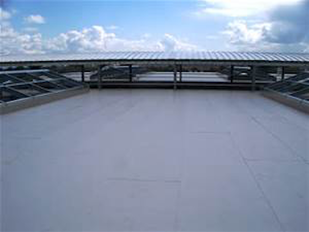
Commercial roofing contractor in Asheboro NC can help you maintain a functional roof. Commercial roofing installation is a significant undertaking for any business or property owner. It not only protects the building but also ensures the safety of occupants and valuable assets inside. However, the process can be complex and time-consuming, requiring careful planning and execution. In this article, we will delve into the various stages of the commercial roofing installation timeline to provide a comprehensive understanding of what to expect. 1. Pre-Installation Preparation: Before any work begins, thorough planning and preparation are essential. This stage involves assessing the existing roof condition, determining the type of roofing material needed, obtaining necessary permits, and scheduling the installation timeline. Additionally, any required safety measures must be put in place to protect workers and occupants during the project. 2. Material Procurement: Once the planning stage is complete, the next step is to procure the necessary materials for the installation. The type of roofing material chosen will depend on various factors such as budget, climate, building structure, and aesthetic preferences. Common commercial roofing materials include single-ply membranes, metal roofing, built-up roofing (BUR), and modified bitumen. 3. Tear-off and Preparation: Before installing the new roof, the existing roofing material must be removed. This process, known as tear-off, involves stripping away old layers of roofing to expose the roof deck. Any damaged or deteriorated sections of the deck are repaired or replaced to ensure a solid foundation for the new roof. Additionally, proper insulation and waterproofing measures may be installed at this stage to enhance the roof's performance. 4. Installation of Roofing System: Once the roof deck is prepared, the installation of the new roofing system can begin. This stage typically involves laying down the chosen roofing material according to manufacturer specifications. Depending on the type of roofing system, this may include attaching individual shingles or panels, applying adhesive or heat-welding seams for membrane roofing, or fastening metal roofing sheets. Proper installation is crucial to ensure the roof's longevity and performance. 5. Finishing Touches and Inspection: After the roofing material is installed, finishing touches such as flashing, sealants, and edge trims are added to ensure a watertight seal and aesthetic appeal. Once the installation is complete, a thorough inspection is conducted to check for any defects or issues that may compromise the roof's integrity. This may involve leak testing, thermal imaging, and other diagnostic techniques to identify potential problems before they escalate. 6. Cleanup and Site Restoration: Once the installation and inspection are successfully completed, the final step is to clean up the worksite and restore the surrounding area to its original condition. This includes removing debris, disposing of waste materials responsibly, and ensuring that the property is left clean and tidy. Proper cleanup not only enhances the appearance of the property but also minimizes safety hazards and environmental impact. Factors Affecting Commercial Roofing Installation Timeline While the commercial roofing installation process follows a general timeline, several factors can influence the overall duration of the project. Understanding these factors is crucial for effectively managing expectations and ensuring a smooth and timely installation process. 1. Size and Complexity of the Roof: The size and complexity of the roof play a significant role in determining the installation timeline. Larger roofs with intricate designs or multiple levels may require more time and labor to complete. Additionally, factors such as roof pitch, access constraints, and architectural features can impact the installation process. 2. Weather Conditions: Weather conditions can have a significant impact on the roofing installation timeline. Inclement weather such as rain, snow, or high winds can delay or halt the installation process altogether. Contractors must carefully monitor weather forecasts and schedule work accordingly to minimize disruptions and ensure the safety of workers. 3. Material Availability: The availability of roofing materials can also affect the installation timeline. Delays in material procurement due to supply chain issues, backorders, or manufacturing delays can prolong the project timeline significantly. Contractors must work closely with suppliers to ensure timely delivery of materials to avoid unnecessary delays. 4. Permitting and Regulatory Requirements: Obtaining necessary permits and complying with regulatory requirements can add time to the installation process. Permitting timelines vary depending on local regulations and the complexity of the project. Contractors must factor in the time required to obtain permits and ensure that all necessary approvals are obtained before commencing work. 5. Contractor Experience and Resources: The experience and resources of the roofing contractor also play a crucial role in determining the installation timeline. Contractors with a skilled workforce, access to modern equipment, and efficient project management practices can complete installations more quickly and efficiently. It is essential to choose a reputable contractor with a proven track record of delivering high-quality work within specified timelines. 6. Unforeseen Challenges: Despite careful planning, unforeseen challenges may arise during the installation process, such as hidden structural damage, unexpected site conditions, or design discrepancies. Addressing these challenges can add time to the project timeline and may require additional resources and expertise to overcome. In conclusion, commercial roofing installation is a multifaceted process that requires careful planning, skilled labor, and effective project management. By understanding the various stages of the installation timeline and the factors that can influence it, property owners and stakeholders can better prepare for the process and ensure a successful outcome. Working closely with experienced roofing professionals and staying proactive in addressing potential challenges can help minimize delays and ensure that the new roof is installed efficiently and effectively. Hire the best commercial roofing contractor in Asheboro NC Montgomery Contractors is Carolina’s top commercial flat roofing company and the best commercial roof replacement services in Asheboro. This commercial roofing contractor provides flat roofing systems and quality commercial roofing projects, including steeple repair, restoration, and replacement. We service the areas of Asheboro, Troy, and the surrounding areas of the Carolinas. Contact us today, for a free inspection, at 910-220-2172. 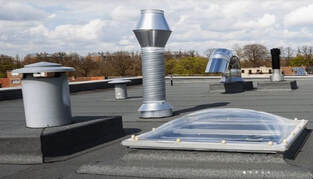 Commercial metal roofing experts can help improve your roof’s longevity
Asheboro’s top commercial metal roofing experts can help improve your roof’s useful lifespan. Commercial buildings often rely on metal roofs for their durability, longevity, and cost-effectiveness. However, like any other component of a structure, metal roofs require regular maintenance to ensure they remain in optimal condition throughout their lifespan. By implementing a proactive approach to care and maintenance, you can significantly extend the useful life of your commercial metal roof. In this article, we'll explore some key strategies for maintaining and preserving the integrity of your metal roof. 1. Conduct Regular Inspections One of the most critical aspects of extending the life of your commercial metal roof is conducting regular inspections. Inspections allow you to identify potential issues before they escalate into more significant problems. Schedule inspections at least twice a year, preferably in the spring and fall, to assess the condition of your roof. During these inspections, look for signs of damage such as rust, corrosion, loose fasteners, or any areas where the metal may be compromised. Additionally, inspect the seals around vents, skylights, and other penetrations to ensure they remain intact and watertight. 2. Address Maintenance Issues Promptly Upon completing your inspections, promptly address any maintenance issues you encounter. Ignoring minor problems can lead to more significant issues down the line, resulting in costly repairs or premature roof replacement. Whether it's repairing damaged panels, replacing worn sealant, or tightening loose fasteners, taking care of maintenance tasks promptly can help prevent further damage and prolong the life of your roof. 3. Keep the Roof Clean Regular cleaning is essential for maintaining the aesthetic appeal and performance of your commercial metal roof. Over time, dirt, debris, and organic matter can accumulate on the surface, promoting the growth of algae, moss, and mold. These organisms can trap moisture and compromise the integrity of the metal, leading to corrosion and deterioration. To prevent this, schedule routine cleaning of your roof using mild detergent and a soft-bristle brush or pressure washer. Be sure to follow manufacturer guidelines and avoid using harsh chemicals that could damage the metal finish. 4. Maintain Proper Drainage Proper drainage is crucial for preventing water buildup and potential leaks on your commercial metal roof. Ensure that gutters, downspouts, and drainage systems are clear of debris and functioning correctly. Clogged or damaged gutters can impede the flow of water off the roof, leading to ponding and moisture infiltration. Regularly inspect and clean gutters to prevent blockages and ensure that water can flow freely away from the building. 5. Address Environmental Factors Environmental factors such as extreme weather conditions and exposure to pollutants can impact the performance and longevity of your commercial metal roof. Take proactive measures to protect your roof from these elements, such as applying protective coatings or installing barriers to prevent exposure to corrosive substances. Additionally, consider the climate and weather patterns in your area when selecting roofing materials and maintenance strategies. 6. Invest in Professional Maintenance Services While some maintenance tasks can be performed in-house, certain aspects of commercial metal roof maintenance are best left to professionals. Consider partnering with a reputable roofing contractor who specializes in metal roof maintenance and repair. Professional roofers have the expertise, equipment, and resources to identify and address issues effectively, ensuring that your roof remains in top condition for years to come. Implementing Best Practices for Long-Term Roof Preservation Now that we've discussed the importance of regular maintenance for extending the useful life of your commercial metal roof, let's delve deeper into some specific best practices to implement: 1. Apply Protective Coatings Protective coatings can help enhance the durability and weather resistance of your commercial metal roof. Consider applying coatings such as acrylic, silicone, or polyurethane to provide an additional layer of protection against UV radiation, moisture, and corrosion. These coatings can also improve energy efficiency by reflecting sunlight and reducing heat absorption, resulting in lower cooling costs for your building. 2. Perform Preventive Maintenance In addition to addressing issues as they arise, implementing a preventive maintenance program can help identify and mitigate potential problems before they develop into major issues. Develop a comprehensive maintenance schedule that includes routine tasks such as cleaning, inspection, and minor repairs. By staying proactive and diligent in your maintenance efforts, you can minimize the risk of unexpected roof failures and maximize the lifespan of your investment. 3. Conduct Roof Reinforcement Depending on the age and condition of your commercial metal roof, you may want to consider reinforcing or retrofitting certain areas to improve structural integrity and performance. Reinforcement techniques such as adding additional fasteners, installing support beams, or upgrading insulation can help strengthen weak points and prolong the life of your roof. Consult with a qualified roofing professional to assess the structural integrity of your roof and determine if reinforcement is necessary. 4. Monitor Roof Performance Regularly monitoring the performance of your commercial metal roof is essential for identifying potential issues and ensuring that maintenance efforts are effective. Keep detailed records of inspections, repairs, and maintenance activities to track the condition of your roof over time. Look for patterns or trends that may indicate areas of concern, such as recurring leaks or corrosion hotspots. By staying vigilant and proactive in monitoring your roof's performance, you can address problems early and prevent them from escalating. 5. Plan for Long-Term Sustainability When designing or renovating a commercial building, consider incorporating sustainable roofing practices to maximize the lifespan of your metal roof. Choose durable, high-quality materials that are designed to withstand environmental stressors and require minimal maintenance. Additionally, explore options for incorporating renewable energy technologies such as solar panels or green roofs to reduce energy consumption and minimize environmental impact. In conclusion, extending the useful life of your commercial metal roof requires a proactive approach to maintenance and care. By conducting regular inspections, addressing maintenance issues promptly, and implementing best practices for long-term preservation, you can ensure that your roof remains in optimal condition for years to come. Investing in the proper maintenance and upkeep of your metal roof is not only essential for protecting your investment but also for maintaining the safety, comfort, and functionality of your commercial building. Hire Asheboro’s top commercial metal roofing experts Montgomery Contractors is Carolina’s top commercial flat roofing company and the best commercial roof replacement services in Asheboro. This commercial roofing contractor provides flat roofing systems and quality commercial roofing projects, including steeple repair, restoration, and replacement. We service the areas of Asheboro, Troy, and the surrounding areas of the Carolinas. Contact us today, for a free inspection, at 910-220-2172. 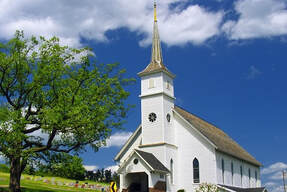 Steeple repair experts can help you know whether to replace or repair
Asheboro NC top steeple repair experts can help you decide on whether to replace or repair. Steeples have long been symbolic structures adorning churches, cathedrals, and other historic buildings. They not only add architectural charm but also serve as functional elements, housing bells and offering a lofty vantage point. However, over time, these iconic features can deteriorate due to weathering, structural issues, or neglect. When faced with a steeple in need of attention, property owners must decide whether to repair or replace it. This article aims to guide you through the process of making this crucial decision. Assessing the Condition The first step in determining whether to repair or replace a steeple is to conduct a thorough assessment of its condition. Engage the expertise of qualified professionals such as architects, engineers, or contractors specializing in historical restoration. They can inspect the steeple for signs of damage, decay, or structural instability. Common issues include rotting wood, metal corrosion, cracked masonry, and foundation weaknesses. Cost Considerations Once the assessment is complete, consider the costs associated with repair versus replacement. While repairs may seem initially less expensive, they can accumulate over time, especially if the underlying issues persist or worsen. Replacement, on the other hand, involves higher upfront costs but may offer long-term savings by providing a more durable and low-maintenance solution. Historical Significance Another crucial factor to consider is the historical significance of the steeple and the building it adorns. If the structure is listed on historical registers or designated as a landmark, there may be regulations governing alterations or replacements. In such cases, repairs that preserve the steeple's original design and materials may be preferable to full replacement. Structural Integrity The structural integrity of the steeple is paramount for ensuring the safety of the building and its occupants. If the assessment reveals significant structural deficiencies that compromise stability, replacement may be the only viable option. Conversely, minor repairs to reinforce weak spots or address localized damage may suffice if the overall integrity remains intact. Aesthetic Considerations Beyond functionality, the aesthetic appeal of the steeple plays a crucial role in the decision-making process. Consider whether repairs can restore its original beauty or if replacement offers an opportunity to enhance the architectural design. Balancing historical authenticity with modern aesthetics is key to preserving the steeple's character while ensuring its longevity. Making an Informed Decision Armed with a comprehensive understanding of the factors influencing steeple repair or replacement, property owners can now make an informed decision.
Case Studies and Practical Considerations To further illustrate the decision-making process surrounding steeple repair or replacement, let's explore a couple of hypothetical case studies and examine the practical considerations involved. Case Study 1: Historic Church Steeple Imagine a historic church with a steeple dating back to the 19th century. The steeple has developed significant rot and decay in its wooden components, compromising its structural integrity. However, the church is listed on the National Register of Historic Places, imposing strict regulations on alterations. In this scenario, a careful balance must be struck between preserving the steeple's historical authenticity and ensuring its safety and longevity. Repairs using traditional craftsmanship and materials may be favored to maintain the steeple's character while addressing the underlying issues. Case Study 2: Modern Commercial Building Contrastingly, consider a modern commercial building with a decorative steeple added for architectural flair. The steeple is constructed from lightweight materials such as fiberglass and has sustained damage from severe weather conditions. As the building lacks historical significance, there are no regulatory constraints on alterations. In this scenario, replacement with a more durable and weather-resistant material may be a practical solution to mitigate future maintenance needs and enhance the building's aesthetic appeal. Practical Considerations In both case studies, practical considerations such as safety, regulatory compliance, and budgetary constraints play pivotal roles in the decision-making process. Engaging with experienced professionals, including architects, engineers, and contractors, is essential for assessing the steeple's condition, evaluating repair versus replacement options, and developing a feasible plan of action.
In conclusion, the decision to repair or replace a steeple involves a careful balancing act of historical preservation, structural integrity, aesthetic considerations, and practicality. By conducting thorough assessments, consulting with stakeholders, and weighing the pros and cons of each option, property owners can make informed decisions that ensure the continued beauty, safety, and longevity of these iconic architectural features. Whether preserving a cherished piece of history or enhancing the visual appeal of a modern structure, thoughtful planning and collaboration are essential for achieving successful outcomes in steeple restoration and maintenance. Hire Asheboro’s top steeple repair experts Montgomery Contractors is Carolina’s top commercial flat roofing company and the best commercial roof replacement services in Asheboro. This commercial roofing contractor provides flat roofing systems and quality commercial roofing projects, including steeple repair, restoration, and replacement. We service the areas of Asheboro, Troy, and the surrounding areas of the Carolinas. Contact us today, for a free inspection, at 910-220-2172. 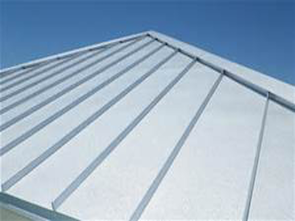 Commercial steel roofing experts can help keep your roof in tip-top condition
Asheboro NC top commercial steel roofing experts can help you maintain a functional roof. Steel roofing is a popular choice for commercial buildings due to its durability and longevity. However, one common issue that building owners face with steel roofing is rust. Rust not only affects the appearance of the roof but can also compromise its structural integrity if left unchecked. In this article, we will explore the causes of rust on commercial steel roofing and strategies to effectively counter it. Causes of Rust on Commercial Steel Roofing:
Strategies for Countering Rust on Commercial Steel Roofing Now that we understand the causes of rust on commercial steel roofing, let's explore effective strategies for countering this pervasive issue: 1. Regular Inspections and Maintenance: Implement a proactive maintenance schedule to inspect the steel roof regularly for signs of rust or damage. Pay attention to areas prone to moisture accumulation, such as seams, flashing, and valleys. Promptly address any issues identified during inspections to prevent rust from spreading. 2. Clean Debris and Improve Drainage: Keep the roof surface clear of debris, such as leaves, branches, and dirt, to prevent moisture traps and promote proper drainage. Ensure that gutters and downspouts are free of obstructions to allow water to flow efficiently off the roof. Consider installing additional drainage systems, such as scuppers or tapered insulation, to prevent water pooling. 3. Apply Protective Coatings: Apply high-quality protective coatings to the steel roofing surface to create a barrier against moisture and environmental contaminants. These coatings, such as acrylic, epoxy, or polyurethane, form a protective layer that inhibits rust formation and extends the lifespan of the roof. Ensure proper surface preparation and application techniques for optimal coating performance. 4. Utilize Galvanized or Galvalume Steel: Consider using galvanized or Galvalume steel roofing materials, which are coated with a layer of zinc or a zinc-aluminum alloy, respectively. These coatings provide enhanced corrosion resistance compared to bare steel and can significantly reduce the risk of rust formation. Choose a coating thickness and composition suitable for the specific environmental conditions and performance requirements of the building. 5. Implement Cathodic Protection Systems: Cathodic protection systems, such as sacrificial anodes or impressed current systems, can be installed to actively mitigate corrosion on steel roofing surfaces. These systems work by creating an electrical current that counteracts the corrosion process, thereby protecting the steel substrate from rust formation. Consult with a corrosion engineering specialist to determine the most appropriate cathodic protection system for your commercial steel roof. 6. Conduct Regular Roof Coating Maintenance: Over time, protective coatings on steel roofing can degrade due to exposure to UV radiation, temperature fluctuations, and mechanical abrasion. It's essential to conduct regular maintenance of roof coatings to ensure their effectiveness in preventing rust formation. Schedule periodic inspections and recoat as necessary to maintain a robust barrier against corrosion. 7. Address Rust Spots Promptly: Despite proactive measures, rust spots may still develop on commercial steel roofing over time. It's crucial to address these areas promptly to prevent further corrosion and structural damage. Use appropriate rust removal techniques, such as wire brushing, sanding, or chemical treatments, to eliminate rust and restore the affected areas to a sound condition. 8. Install Protective Roof Accessories: In addition to protective coatings, consider installing roof accessories that provide an extra layer of defense against rust formation. Options include roof sealants, elastomeric coatings, and waterproof membranes applied to vulnerable areas like seams, penetrations, and flashing details. These accessories help seal potential entry points for moisture and reinforce the overall integrity of the roof system. 9. Educate Maintenance Personnel: Ensure that maintenance personnel responsible for overseeing the commercial steel roofing system are adequately trained and informed about rust prevention best practices. Provide ongoing education on identifying early signs of corrosion, proper maintenance techniques, and the importance of timely intervention to address rust issues. Empowering personnel with knowledge and skills enhances the effectiveness of rust prevention efforts. 10. Monitor Environmental Conditions: Monitor environmental conditions, such as humidity levels, temperature fluctuations, and exposure to corrosive agents, to anticipate potential risks to the steel roofing system. Implement measures to mitigate adverse environmental factors, such as installing vapor barriers, improving ventilation, or relocating chemical storage facilities away from the roof area. By proactively managing environmental variables, you can minimize the likelihood of rust formation and prolong the life of your commercial steel roof. Countering rust on commercial steel roofing requires a multifaceted approach that combines proactive maintenance, protective coatings, advanced corrosion control systems, and environmental management strategies. By implementing these measures, building owners can safeguard their investment, preserve the structural integrity of their steel roofs, and ensure long-term performance in the face of challenging environmental conditions. Regular inspections, prompt rust spot treatment, ongoing education, and environmental monitoring are essential components of a comprehensive rust prevention plan for commercial steel roofing systems. By prioritizing rust prevention efforts, building owners can extend the lifespan of their steel roofs and minimize the need for costly repairs or replacements in the future. Hire Asheboro NC's top commercial steel roofing experts Montgomery Contractors is Carolina’s top commercial flat roofing company and the best commercial roof replacement services in Asheboro. This commercial roofing contractor provides flat roofing systems and quality commercial roofing projects, including steeple repair, restoration, and replacement. We service the areas of Asheboro, Troy, and the surrounding areas of the Carolinas. Contact us today, for a free inspection, at 910-220-2172. 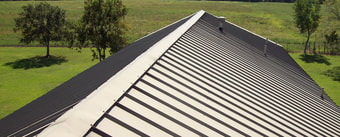 Commercial roof replacement experts can be ideal for replacing your roof
Commercial roof replacement in Asheboro NC can help you replace your roof. Commercial roof replacement is a significant undertaking for any business owner or property manager. Whether you're dealing with an aging roof that requires constant repairs or facing damage from severe weather conditions, replacing your commercial roof is an essential investment in the long-term structural integrity and safety of your building. However, before diving into the costs associated with this project, it's crucial to understand the various factors that influence the overall expense. Factors Influencing Commercial Roof Replacement Costs:
Type of Roofing Material: Commercial roofs can be constructed using various materials, each with its advantages, disadvantages, and associated costs. Common options include:
Understanding these factors is crucial for accurately estimating the cost of replacing your commercial roof. In the next part of this article, we'll delve deeper into the specific costs associated with commercial roof replacement and provide insights into budgeting for this significant undertaking. Estimating Commercial Roof Replacement Costs Replacing a commercial roof is a substantial financial investment, and understanding the breakdown of costs can help you budget effectively for this essential project. While the total cost will vary based on factors mentioned earlier, including roof size, material choice, and labor expenses, it's helpful to have a general idea of what to expect. Cost Breakdown for Commercial Roof Replacement:1. Material Costs: The type of roofing material you choose will have a significant impact on overall expenses. Here's a rough estimate of material costs per square foot for common commercial roofing options:
Keep in mind that these are ballpark figures, and prices may vary based on factors like material quality, supplier rates, and market conditions. 2. Labor Costs: Labor expenses typically constitute a significant portion of the total cost of roof replacement. Roofing contractors usually charge per square foot or per hour for labor, with rates varying depending on factors such as location, contractor experience, and project complexity. On average, expect labor costs to range from $3 to $7 per square foot. 3. Additional Costs: In addition to material and labor expenses, there are several other costs to consider when budgeting for a commercial roof replacement:
4. Contingency Fund: It's wise to set aside a contingency fund of around 10% to 20% of the total project cost to account for unexpected expenses or changes in scope that may arise during the roof replacement process. By considering these cost factors and obtaining detailed quotes from reputable roofing contractors, you can develop a realistic budget for your commercial roof replacement project. Remember that investing in quality materials and skilled labor upfront can save you money in the long run by minimizing maintenance costs and extending the lifespan of your new roof. In conclusion, while commercial roof replacement costs can vary significantly depending on various factors, thorough planning, and understanding of the key cost components can help you manage expenses effectively and ensure a successful outcome for your building's roofing needs. Hire the top-rated commercial roof replacement experts in Asheboro NC Montgomery Contractors is Carolina’s top commercial flat roofing company and the best commercial roof replacement services in Asheboro. This commercial roofing contractor provides flat roofing systems and quality commercial roofing projects, including steeple repair, restoration, and replacement. We service the areas of Asheboro, Troy, and the surrounding areas of the Carolinas. Contact us today, for a free inspection, at 910-220-2172. 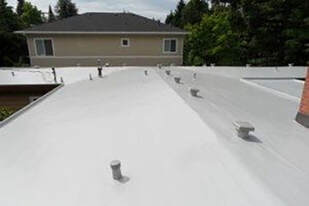 Commercial roof installation can get you a functional roof
Asheboro’s top commercial roof installation can help you get and maintain a functional roof. Commercial roofing involves a specialized set of skills, materials, and techniques tailored to the unique needs of businesses, institutions, and industrial facilities. One key aspect of commercial roofing is the concept of a "square." In this article, we'll delve into what a square means in the context of commercial roofing, its significance, and how it impacts the industry. What is a Square in Commercial Roofing? In the roofing industry, a "square" is a unit of measurement used to quantify the area of a roof. Specifically, it refers to 100 square feet of roof surface. This unit provides a standardized way for roofing contractors to estimate the size of a roofing project, order materials, and calculate costs accurately. Significance of Squares in Commercial Roofing The use of squares simplifies communication and ensures consistency among roofing professionals. When discussing a roofing project, contractors, suppliers, and clients can easily understand the scope by referring to the number of squares involved. This standardized unit streamlines the planning and execution process, leading to more efficient and transparent operations. Measuring a Roof in Squares To determine the number of squares required for a roofing project, contractors measure the length and width of the roof's surface area in feet. They then divide the total area by 100 to obtain the number of squares. For example, if a roof measures 3,000 square feet, it would require 30 squares (3000 sq. ft. ÷ 100 sq. ft. per square = 30 squares). Importance of Accurate Measurements Accurate measurement is crucial in commercial roofing to ensure the right amount of materials is ordered and sufficient labor is allocated for the project. Overestimating or underestimating the number of squares can lead to complications such as delays, material shortages, or budget overruns. Therefore, experienced roofing contractors utilize precise measurement techniques to provide clients with reliable estimates and deliver successful outcomes. Applications of Squares in Commercial Roofing Now that we've covered the fundamentals of squares in commercial roofing, let's explore their applications and how they influence various aspects of the roofing industry. Material Estimation and Procurement One of the primary uses of squares in commercial roofing is for material estimation and procurement. Roofing materials such as shingles, membranes, and metal panels are typically sold by the square. By calculating the number of squares required for a project, contractors can accurately order the appropriate amount of materials from suppliers, minimizing waste and excess costs. Cost Estimation and Budgeting Squares play a pivotal role in cost estimation and budgeting for commercial roofing projects. Contractors use the square footage of the roof to determine labor costs, material expenses, equipment rentals, and overhead expenses. This comprehensive approach enables them to provide clients with detailed project proposals and transparent pricing structures, fostering trust and accountability throughout the process. Roofing System Design and Installation Understanding the number of squares involved in a roofing project is essential for designing and installing the appropriate roofing system. Different roofing materials and systems have varying coverage rates and installation requirements. By accurately assessing the number of squares, contractors can select the most suitable materials and techniques to meet the client's performance needs, aesthetic preferences, and budget constraints. Project Management and Scheduling In the realm of project management, squares serve as a standard unit of measurement for scheduling tasks, allocating resources, and tracking progress. Contractors use the number of squares to establish timelines, assign work crews, and coordinate logistics such as material deliveries and equipment deployment. This systematic approach helps ensure that roofing projects are completed on time and within budget, meeting the expectations of all stakeholders involved. Challenges and Considerations in Square-based Roofing While squares provide a standardized method for measuring and estimating commercial roofing projects, several challenges and considerations exist that contractors must navigate to ensure successful outcomes.
Despite the challenges and considerations associated with square-based roofing, experienced contractors can overcome these obstacles by leveraging advanced technologies, adhering to best practices, and prioritizing collaboration, communication, and professionalism. By addressing factors such as roof complexity, material efficiency, environmental compliance, weather resilience, and safety, roofing professionals can deliver exceptional results that exceed client expectations and contribute to the long-term success of commercial roofing projects. Hire Asheboro’s top commercial roof installation experts Montgomery Contractors is Carolina’s top commercial flat roofing company and the best commercial roof replacement services in Asheboro. This commercial roofing contractor provides flat roofing systems and quality commercial roofing projects, including steeple repair, restoration, and replacement. We service the areas of Asheboro, Troy, and the surrounding areas of the Carolinas. Contact us today, for a free inspection, at 910-220-2172. 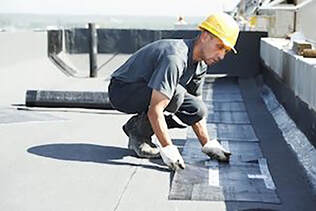 Commercial roof repair experts discuss when to replace your roof
Asheboro’s top commercial roof repair experts can help you know when to replace your roof. Commercial roofs are essential for protecting businesses and their assets from the elements. However, over time, these roofs can deteriorate due to various factors such as weather, age, and lack of maintenance. When damage occurs, business owners are often faced with the decision of whether to repair or replace their commercial roofs. In this article, we will explore the factors that determine whether a commercial roof needs to be replaced and how much damage warrants replacement. Factors Contributing to Commercial Roof Damage:
Signs of Commercial Roof Damage:
The extent of Damage:
Age of the Roof:
Long-Term Goals:
In conclusion, the decision to replace a commercial roof depends on various factors, including the extent of the damage, the age of the roof, and the long-term goals of the business. While minor damage can often be repaired, severe structural damage or an aging roof may warrant replacement to ensure the safety, integrity, and sustainability of the building. Business owners should consult with roofing professionals to assess the condition of their roofs and determine the most appropriate course of action. Hire Asheboro’s top commercial roof repair experts Montgomery Contractors is Carolina’s top commercial flat roofing company and the best commercial roof replacement services in Asheboro. This commercial roofing contractor provides flat roofing systems and quality commercial roofing projects, including steeple repair, restoration, and replacement. We service the areas of Asheboro, Troy, and the surrounding areas of the Carolinas. Contact us today, for a free inspection, at 910-220-2172. 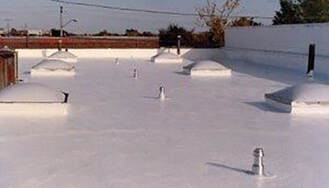 Commercial flat roofing experts can help improve your roof’s longevity
Commercial flat roofing experts in Asheboro NC can help you maximize your roof’s longevity. Commercial flat roofs are a popular choice for many businesses due to their cost-effectiveness, easy installation, and suitability for housing HVAC systems and other equipment. However, these roofs come with their own set of challenges, primarily in terms of maintenance and longevity. Extending the life of your commercial flat roof requires a combination of proactive measures, regular inspections, and timely repairs. In this article, we'll explore some practical strategies to help you maximize the lifespan of your commercial flat roof. Regular Inspections and Maintenance One of the most critical steps in extending the life of your commercial flat roof is conducting regular inspections and maintenance. Ideally, inspections should be performed at least twice a year, typically in the spring and fall, to assess the condition of the roof and identify any potential issues before they escalate. During inspections, pay close attention to the following key areas:
Prompt Repairs In addition to regular inspections, it's essential to address any issues or damage promptly. Even minor issues, such as small tears or punctures, can quickly escalate into more significant problems if left unattended. Repairing issues promptly can help prevent water intrusion, which is one of the primary causes of roof damage and deterioration. When making repairs to your commercial flat roof, it's crucial to use high-quality materials and follow best practices for installation. If you're not comfortable making repairs yourself, consider hiring a professional roofing contractor with experience in commercial flat roofs. Invest in Roof Coatings Roof coatings can be an effective way to extend the life of your commercial flat roof by providing an additional layer of protection against the elements. These coatings can help seal small cracks and imperfections in the roof membrane, preventing water intrusion and reducing the risk of leaks. There are several types of roof coatings available, including acrylic, silicone, and elastomeric coatings. The best type of coating for your roof will depend on factors such as climate, existing roof material, and budget. Consult with a roofing professional to determine the most suitable option for your specific needs. Implement a Preventative Maintenance Plan In addition to regular inspections and prompt repairs, implementing a preventative maintenance plan can help extend the life of your commercial flat roof. A preventative maintenance plan typically involves scheduling routine maintenance tasks, such as cleaning gutters, inspecting sealants, and reapplying roof coatings, regularly. Proper Drainage Management Effective drainage is essential for maintaining the integrity of your commercial flat roof. Poor drainage can lead to water pooling, which can cause structural damage and accelerate roof deterioration. To ensure proper drainage:
Proper Insulation Proper insulation is crucial for maintaining the temperature and energy efficiency of your building, as well as protecting your commercial flat roof from thermal stress. Insufficient insulation can lead to temperature fluctuations, which can cause the roof membrane to expand and contract, leading to premature aging and damage. To ensure proper insulation:
Environmental Considerations Environmental factors such as UV radiation, extreme temperatures, and severe weather can take a toll on your commercial flat roof over time. To mitigate the impact of these factors:
Extending the life of your commercial flat roof requires a proactive approach to maintenance and careful consideration of factors such as drainage, insulation, and environmental conditions. By conducting regular inspections, addressing issues promptly, and implementing preventative maintenance measures, you can help maximize the lifespan of your roof and protect your investment for years to come. Additionally, consulting with a professional roofing contractor can provide valuable guidance and expertise in developing a comprehensive maintenance plan tailored to your specific needs and budget. With proper care and attention, your commercial flat roof can continue to provide reliable protection for your building and its occupants for many years. Hire the best commercial flat roofing experts in Asheboro NC Montgomery Contractors is Carolina’s top commercial flat roofing company and the best commercial roof replacement services in Asheboro. This commercial roofing contractor provides flat roofing systems and quality commercial roofing projects, including steeple repair, restoration, and replacement. We service the areas of Asheboro, Troy, and the surrounding areas of the Carolinas. Contact us today, for a free inspection, at 910-220-2172. 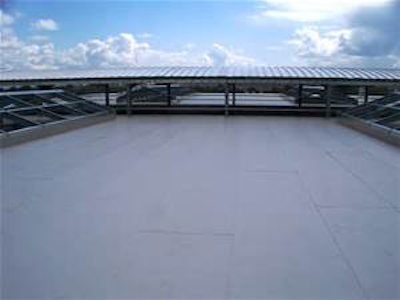 Commercial roofing contractor can be ideal for selecting a roof for your chemical plant
Commercial roofing contractor in Asheboro NC can help you select roofs for your chemical plants. Setting up a chemical plant involves meticulous planning and attention to detail, especially when it comes to selecting the right infrastructure. Among the various considerations, the choice of commercial roofing for your chemical plant is paramount. The roof of your chemical plant not only protects the facility from external elements but also plays a crucial role in maintaining a safe working environment for your employees and preventing environmental hazards. Therefore, it's imperative to avoid certain types of roofs that may not be suitable for a chemical plant environment.
In summary, chemical plant operators should avoid asphalt shingle roofs, wooden roofs, single-ply membrane roofs, and metal roofs without adequate coatings when selecting roofing systems for their facilities. Instead, they should opt for robust roofing materials that offer superior resistance to corrosion, fire, chemical exposure, and mechanical stresses to safeguard the integrity of the facility and protect the well-being of employees. Recommended Roofing Solutions for Chemical Plants Selecting the right roofing system is crucial for the success and safety of a chemical plant. Given the unique challenges and hazards associated with chemical manufacturing facilities, it's essential to invest in high-quality roofing solutions that can withstand harsh environmental conditions, chemical exposure, and mechanical stresses while ensuring the integrity of the facility and the safety of personnel. Here are some recommended roofing solutions for chemical plants:
In conclusion, chemical plant operators have a variety of roofing solutions to choose from when selecting roofing systems for their facilities. EPDM roofing, fiberglass-reinforced plastic (FRP) panels, concrete roofing systems, thermoplastic polyolefin (TPO) membranes, and green roofing systems are among the recommended options for chemical plant environments, offering superior durability, chemical resistance, and environmental sustainability. By investing in high-quality roofing materials that are specifically designed to withstand the unique challenges and hazards of chemical manufacturing processes, plant operators can ensure the safety, integrity, and longevity of their facilities while minimizing maintenance costs and environmental impact. Hire the best commercial roofing contractor in Asheboro NC Montgomery Contractors is Carolina’s top commercial flat roofing company and the best commercial roof replacement services in Asheboro. This commercial roofing contractor provides flat roofing systems and quality commercial roofing projects, including steeple repair, restoration, and replacement. We service the areas of Asheboro, Troy, and the surrounding areas of the Carolinas. Contact us today, for a free inspection, at 910-220-2172. 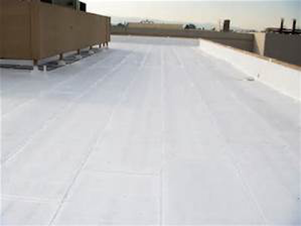 Commercial metal roofing experts can help you maintain a functional roof
Commercial metal roofing in Asheboro NC can help you choose metal sheeting for your roofing project. When it comes to commercial roofing, metal sheeting stands out as a durable, versatile, and cost-effective option. From warehouses to office buildings, metal roofs offer a plethora of benefits that make them a popular choice among property owners. In this article, we'll delve into the world of metal sheeting options for commercial roofs, exploring the various types available and their advantages. Types of Metal Sheeting
Each type of metal sheeting offers unique advantages in terms of durability, aesthetics, and performance. By understanding the characteristics of each option, commercial property owners can make informed decisions when selecting the most suitable roofing material for their needs. Considerations for Choosing Metal Sheeting When it comes to selecting metal sheeting for commercial roofs, there are several key factors to consider to ensure optimal performance, longevity, and cost-effectiveness.
In conclusion, metal sheeting offers a range of options for commercial roofs, each with unique benefits in terms of durability, cost-effectiveness, environmental impact, installation, maintenance, and aesthetics. By carefully considering these factors and selecting the most suitable metal roofing material for your commercial property, you can ensure long-term performance, protection, and value for your investment. Work with the best commercial metal roofing experts in Asheboro NC Montgomery Contractors is Carolina’s top commercial flat roofing company and the best commercial roof replacement services in Asheboro. This commercial roofing contractor provides flat roofing systems and quality commercial roofing projects, including steeple repair, restoration, and replacement. We service the areas of Asheboro, Troy, and the surrounding areas of the Carolinas. Contact us today, for a free inspection, at 910-220-2172. |
About Montgomery ContractorsMontgomery Contractors is Carolina's commercial flat roofing expert. We focus on commercial flat roofing systems and pride ourselves on quality commercial roof projects. Call Montgomery Contractors today for more information about commercial flat roofing projects. Archives
May 2024
Categories
All
|

 RSS Feed
